Sponge mode
As nerve-wracking as it is to join a new team, it's also nerve-wracking for the existing team members. Having someone they don't know suddenly appear and potentially change a bunch of things isn't something that most people tend to look forward to. It can be a bit of an awkward time. That's why I always try to spend my first few weeks in what I call 'sponge mode'.
I make sure I spend some time with every team member, ask them questions, and just listen. I try not to force my opinions on them in terms of ways of working, technology, etc (even though I have plenty of those) - because these are the people who've been working in the business for some time and it would be arrogant to assume that I know better after only just arriving. I think this is step 1 to being able to build relationships at work - listening.
Clear priorities
The next thing I do is consolidate all the things I've learnt & heard, and apply my previous experience to them to come up with a really simple list of things for us to focus on as a team. One thing I observe often is that teams have too big a list of priorities, which results in lots of incremental progress across many initiatives but nothing actually getting delivered to completion.
My solution to that is simple - do less stuff, but get it done. In this case, one clear need that the business had was for alternative CMS solutions. Historically aer had used Drupal as their CMS of choice, but not being able to use other systems was proven to be a challenge in terms of being able to respond to certain types of clients.
One of our key priorities as a team, then, became identifying some preferred solutions for self-hosted and managed hosting CMS, so that we had options without diluting expertise across the team by trying to support too many different solutions.
The easy route vs the harder route
The simplest thing to do would've been for me to say 'we're using Umbraco', or another CMS that I like personally. I don't think that's a good way to establish trust with any team - being overly dictatorial. There was also the wider context that the aer team do not use .NET - we are full-stack Typescript.
Instead, what I asked the team to do was follow a simple process which I'll outline below.
Identify requirements
What do we actually need from a CMS as a business? What do our clients need? What will we & our clients need in the future? Coming up with a list of functional and non-functional requirements helped us really think about what's important and what we have now that works, and what we're missing.
Long-list solutions
Once the team had pulled together some requirements and we'd agreed they all made sense, the team then researched potential solutions. There are loads of content management systems out there, and they used a simple ranking systems to rate the long-list in terms of suitability for us.
Short-list solutions
Once the team had whittled down the list to something more managable, we spent some time prototyping and playing with the CMS we'd identified. Having spent some time in the enterprise world where multi-million pound CMS implementations were selected on the basis of the sales demo (yep. wild), I am all too aware of the importance of actually getting hands on with these things!
Selection
All of the above allowed us as a team to make a more informed decision about what we wanted to do. We ended up settling on two CMS as our 'default' set of tools for most clients - Umbraco Heartcore, and Directus.
Key takeaways
- Trust is one of the most important currencies at work, particularly if you're joining / leading a team.
- Not forcing your preferences on a bunch of people you don't know yet is a good starting point for building trust
- Creating a process and then giving the team the space to be autonomous, work through it, and potentially surprise you with your findings is good for the team but also good for you as the leader.
- A lot of people are nervous about change - particularly if they're comfortable working with certain tools. Being supportive and having an evidence-based approach to making decisions, that everyone understands, can reassure people.
The outcome
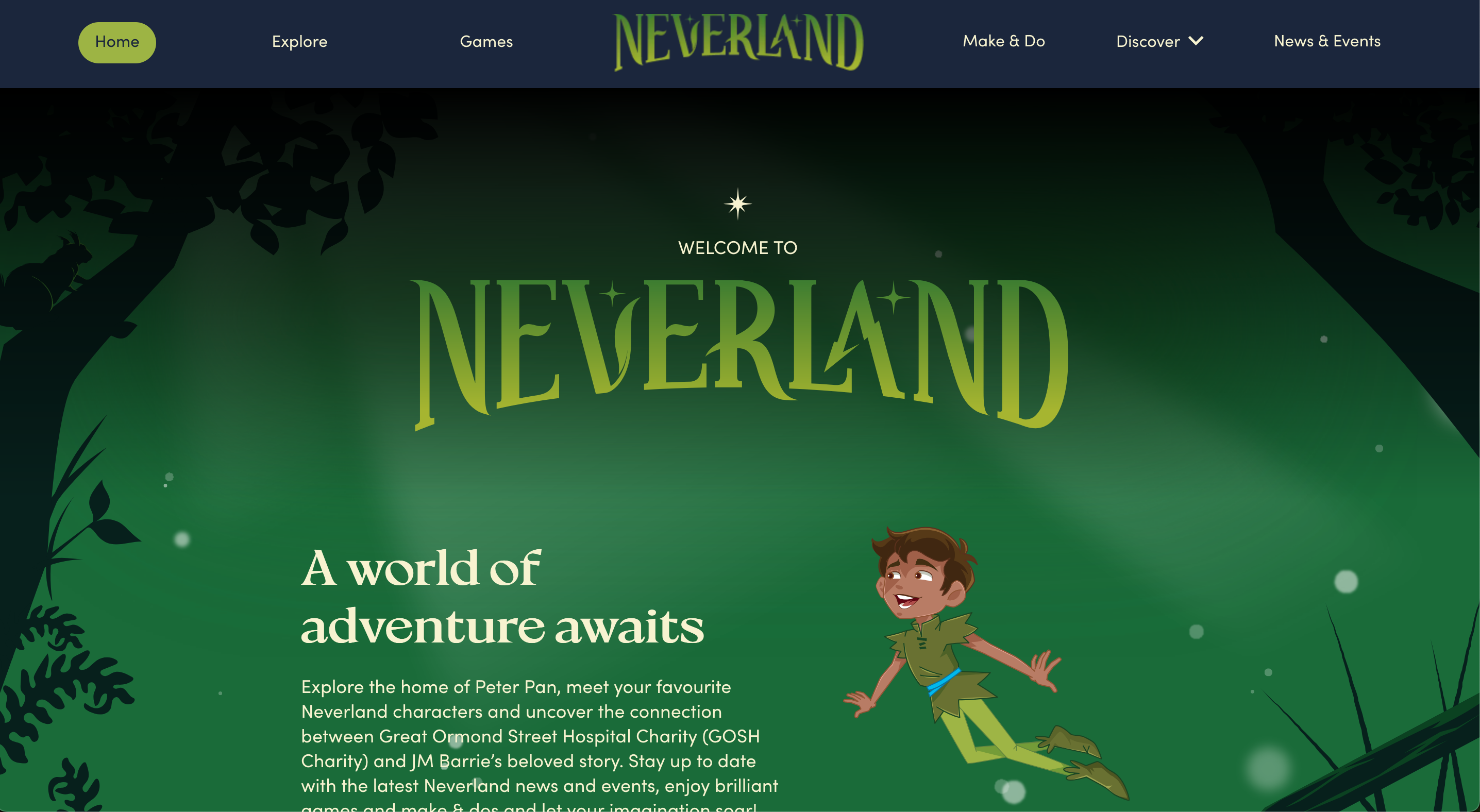
We launched our first Umbaco Heartcore site earlier this year for Great Ormond Street Hospital - Neverland. The team really enjoyed working with Umbraco, which further reinforces the value of this way of working and this process! We've also built a site with Directus, which I'd never even heard of before, which is great.
We now have a team more comfortable with a wider range of CMS technology, which is great for us and great for our clients, and Umbraco is now firmly part of our toolkit!